Intimacy at a Distance: How the World is Getting to Live Like Artists
May 26, 2020
by Brian Rutenberg
“First there is a mountain, then there is no mountain, then there is.”
– Donovan
We hugged through a shower curtain. My wife Katie is a physician at Mt. Sinai West Hospital in New York City where she treats Covid-19 patients every day, all day. Back in early March, terrified of exposing our two children and me to the virus, or worse, my transmitting it to her and thus endangering her patients, Katie made the painful decision that our kids and I should leave her behind and vacate our apartment to quarantine indefinitely at our little weekend house on the East End of Long Island. We didn’t see her for eight weeks.
I missed her so much it hurt.
However, mid-May, with social distancing proving effective in slowing the infection rate in Manhattan, Katie came out to the island to see us for a tearful reunion. As she got out of the car, I wrapped her in a plastic shower curtain like a chimichanga and scooped her off the ground in a bear hug that would make the cast of Country Bear Jamboree blush.
During the 24 hours she stayed with us, Katie never took off her mask and gloves, and remained six feet away at all times, even sleeping and eating in a separate room. Although we couldn’t touch, looking into her eyes was pure heaven. When it came time for Katie to leave us and return to the city, we brought out the shower curtain.

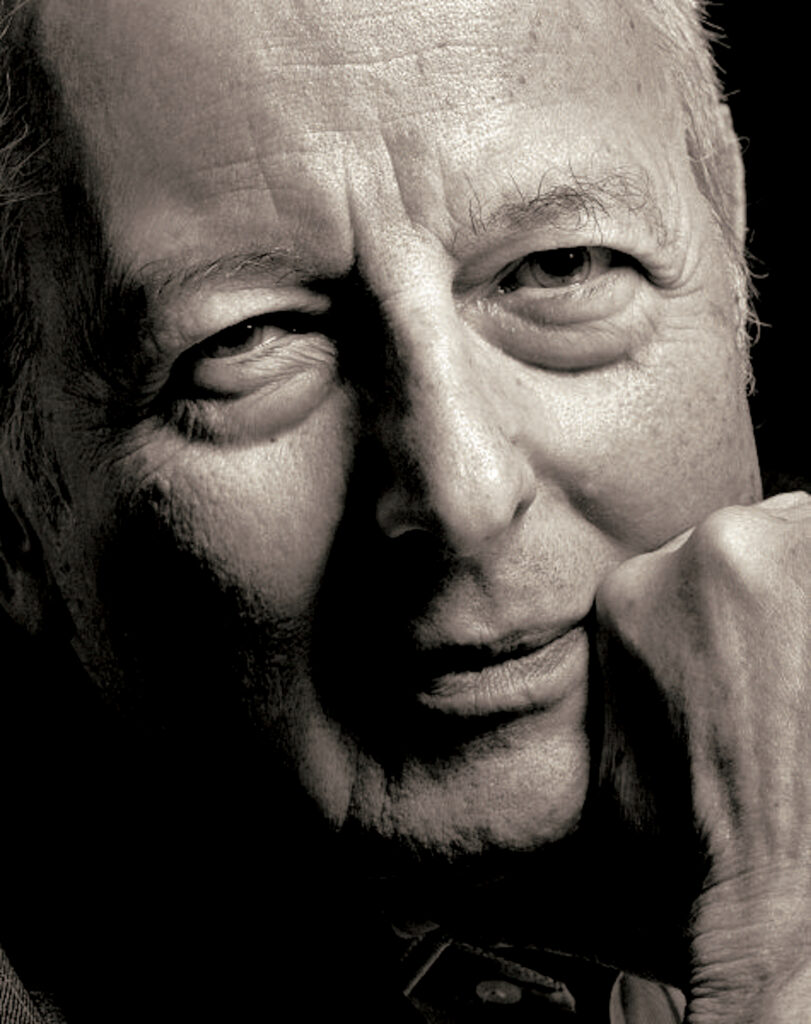
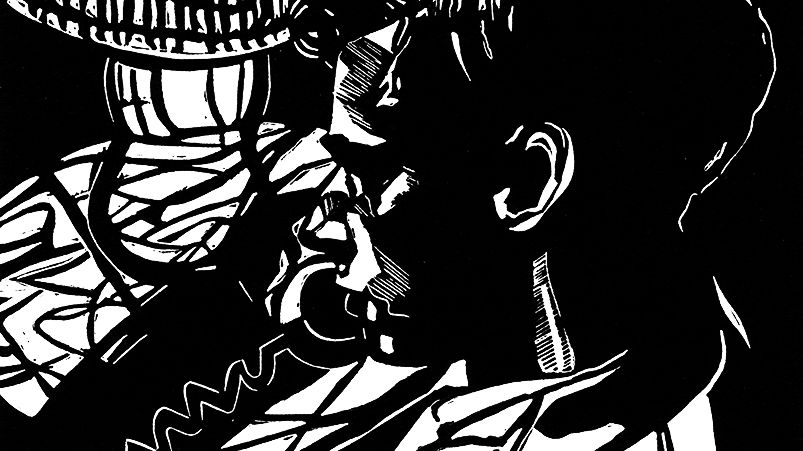
As a full-time artist, I couldn’t help but think of my hero, Glenn Gould. It was as if he was preparing me for this pandemic before I was even born. Contact without touch, protective layers, communication at a distance, forced solitude, loneliness, isolation and longing are the new normal for everyone else, but for artists, they are a job description. What others might call despair is a painter’s primary source of meaning. In an 1889 letter to his brother Theo, Vincent van Gogh wrote, “The sadness will last forever.” Those five words set me free. An artist is someone who reveres suffering. Glenn Gould understood this.
Everything I know about being a painter I learned from a pianist. I grin ear-to-ear every time I read Gould’s private motto, “Behind every silver lining there’s a cloud.” For me, Gould’s words are neither cynical nor morose but are a declaration of independence for every pasty, nail-biting creep who stayed alone in his or her bedroom practicing an instrument, dancing in front of a mirror, or drawing until their fingers bled, while everyone else played in the sun.
Gould’s motto reveals everything you need to know about being an artist. All art comes from sadness. Not because the artist is depressed or melancholic, but because sadness is a richer, more complex state than happiness; a modicum of sorrow is a legitimate part of any good life because it allows us to experience our entire being. There’s a reason it takes more muscles to frown than to smile because we want to say “F.U.” to pain and suffering through effort and perseverance. Creativity requires attention to detail and persistence in the face of failure; that’s why it’s called a discipline. Every artist knows this. We don’t seek the shiny and new, but the worn-in, because it hums an ancient music. An artist must be in contact with the full complement of emotions so that he or she can tell the truth.
Gould famously said, “The purpose of art is the gradual, lifelong construction of a state of wonder and serenity.” The patience and commitment embodied in that statement continue to inform every part of my life and career because it showed me how to craft a life as an artist and, more important, how to protect it. Gould valued solitude as the prerequisite to the creative act and wrote copiously about the role of the artist in society. He believed that the ideal audience-to-artist ratio was zero to one and viewed technology not only as protection from the wildness of nature but from ourselves, for behind that protective layer every individual would be free to construct his or her divinity.
Freedom has a taste. It’s wild and untamed. The trick is to walk around all day long and roll that taste around in your mouth. When you speak, some of the wild dribbles out, but it’s okay because you’ll make more. At night, when you lay your head on your pillow, you feel the wild sloshing around in your brain and pooling behind your eyelids like an incoming moon-tide so that, when you open them, the wild gushes into the world.
Artists are damaged people. We make stuff and ask, “Do you like it, do you like it?” But our paycheck is the wild. You know the taste. People don’t pay good money for my paintings to see me make measured and responsible decisions; they pay to see me waste my life in long-limbed marks. An artist lives so that others may feel more alive.
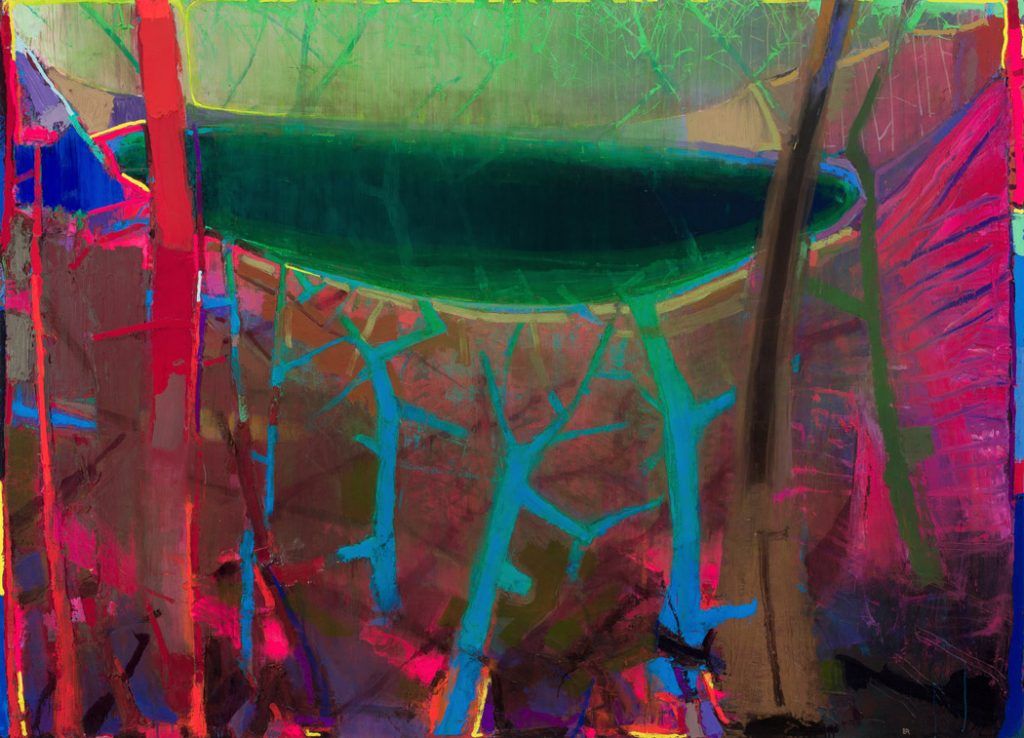
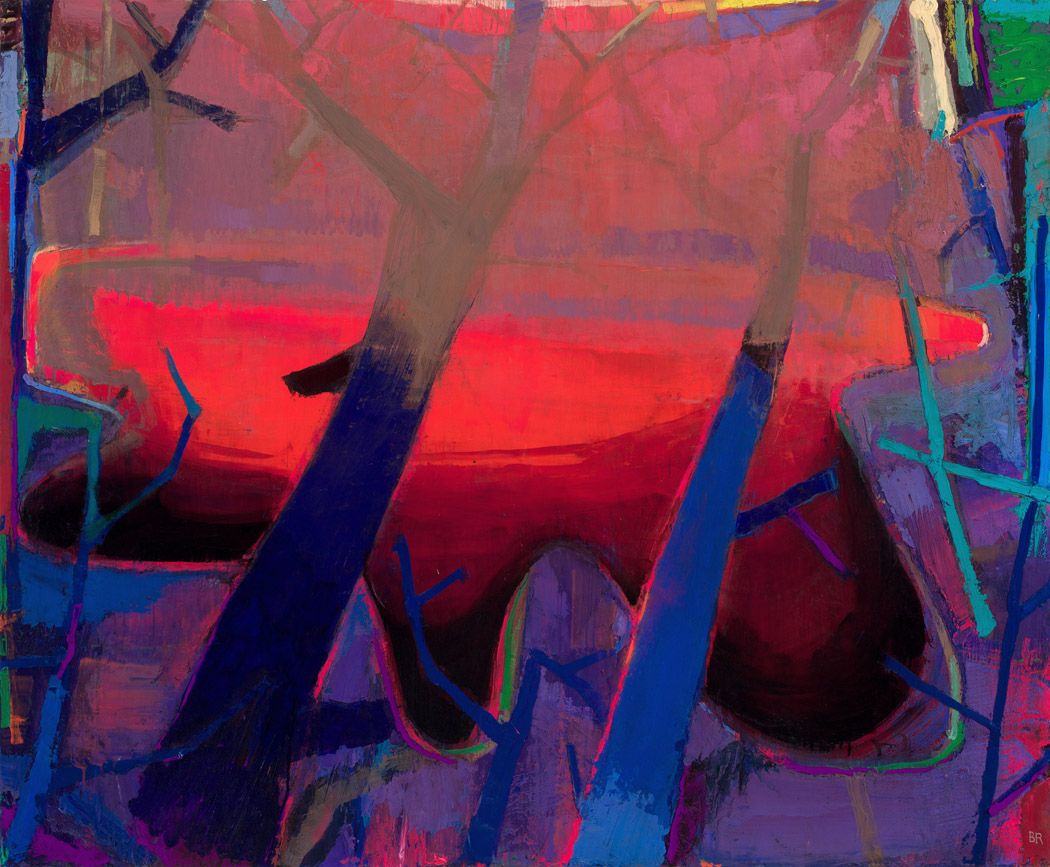
It’s taken me 45 years of painting to learn that art doesn’t give, it takes. Art fails us. It is lifeless and incomplete. We project our vitality into it, and, in return, it compensates us for life’s impermanence. By magnifying its limitations, art shows us that perfection is not possible. It’s the longing that matters. Therein lies the source of all art: unfulfilled longing. I’m paraphrasing Winnie the Pooh, who said that his favorite thing isn’t getting honey but that moment when he might get honey. Something can only come to life when we can’t have it.
The moment you realize that art is neither a mirror nor a window, you’ll know freedom. Art is a container. It takes a lot of living, loving, and loss to fill your container. It’s important to remember that a container not only keeps stuff inside but protects it from the outside. Protect yourself. Protect your solitude. Glenn Gould taught me how to be my own best friend. Being your own best friend is a form of self-compassion. John Lennon said it best, “No one can harm you, feel your own pain.” Respecting your pain teaches you how to recognize it in others.
I’m always a little embarrassed when looking at a painting because the feelings that I think are my own are really those of someone else. I recognize them. That’s what great art does, it makes us recognize what we’ve never seen before. Poet Paul Valéry wrote, “To see is to forget the name of the thing one sees.” That’s the nutty thing about art, you don’t know what makes it good but you know when it’s bad. Things are not what they appear to be. There is always more if you look slowly.
Life’s only commodity is time and we have plenty of that on our hands right now.
Do what Gould did. Solitude transforms fear and panic into opportunities for contemplative energy and the strange psychic power that comes from the marriage of sense and sight. Art brings us back into ourselves by making us unrecognizable to ourselves. We see through someone else’s eyes, which grants us empathy. If you’re scared, be scared. If you’re sad, inhabit your sadness. It doesn’t matter what you feel as long as you feel deeply. That’s your protective layer. That’s your shower curtain.
Solitude and social distancing used to be lifestyle choices, now they’re survival tactics.
In this time of great doubt and uncertainty, listen to the scientists but watch the artists. We are survivors. When there is a vaccine for Covid-19 and our cities and towns re-awaken to civic life once again, perhaps we will do so with gratitude for the quiet reverie of solitude.
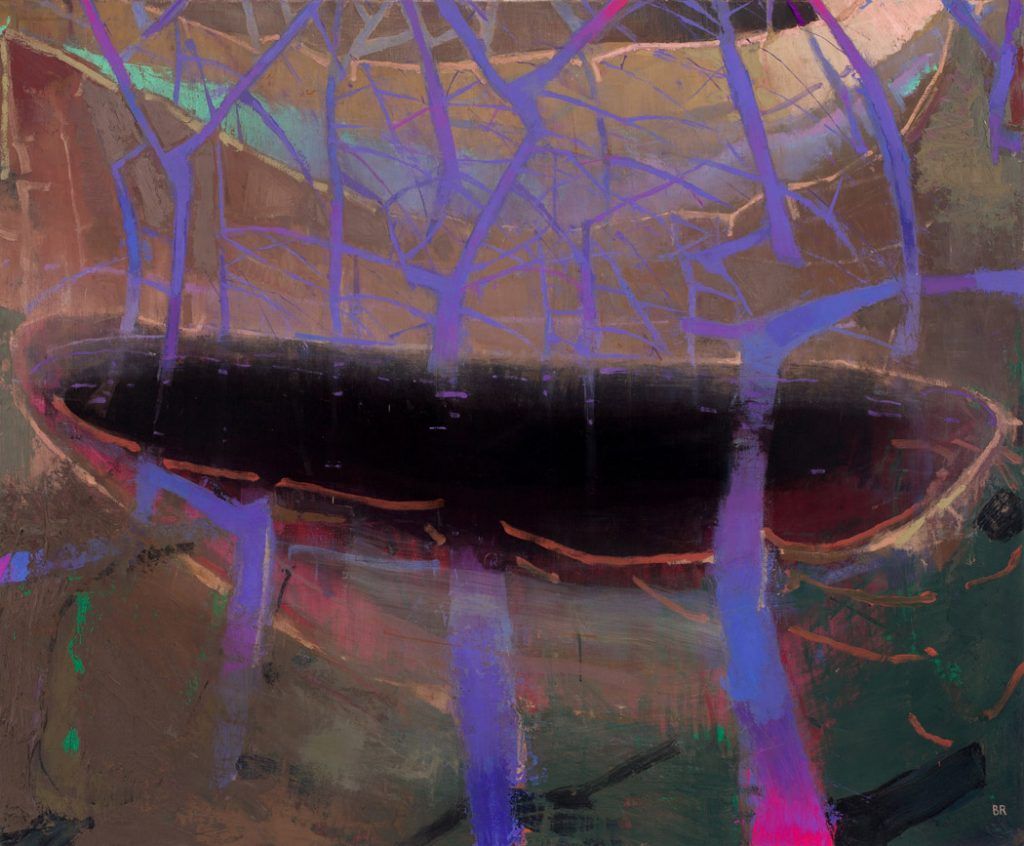
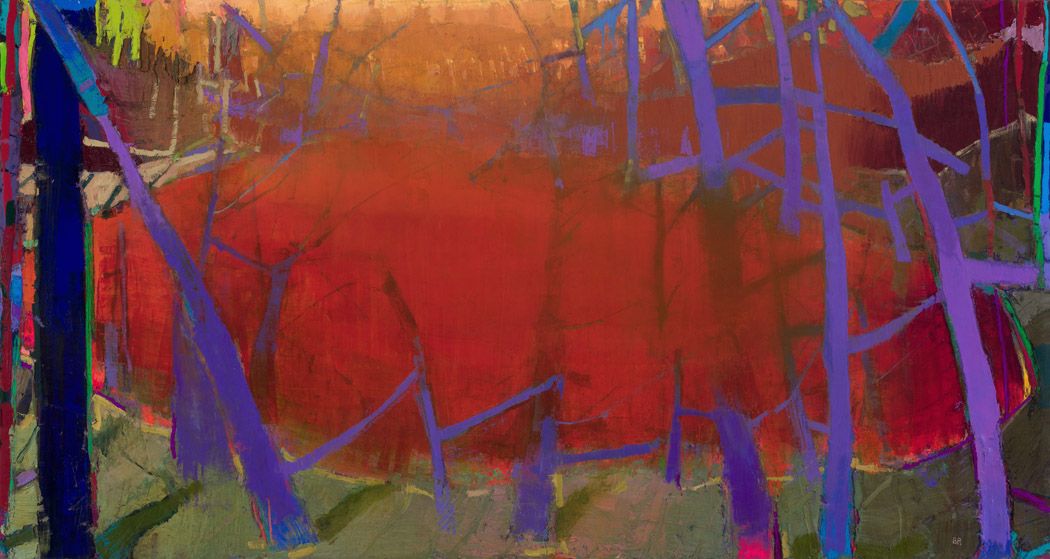
Widely considered to be one of the finest American painters of his generation, Brian Rutenberg has spent 40 years honing a distinctive method of compressing the rich color and form of his native coastal South Carolina into complex landscape paintings that imbue material reality with a deep sense of place. He is a Fulbright Scholar, a New York Foundation for the Arts Fellow, a Basil Alkazzi USA Award recipient, an Irish Museum of Modern Art visiting artist program participant, and has had over 200 exhibitions throughout North America. Rutenberg’s paintings are included in the collections of Yale University Art Gallery, The Butler Institute of American Art, Bronx Museum of Art, Peabody Essex Museum of Art, South Carolina State Museum, and others. His YouTube videos “Brian Rutenberg Studio Visits” are viewed by people around the world. Radius Books published a full color monograph in 2008. Brian’s new book, Clear Seeing Place, was released in October 2016. In 2020, Forum Gallery published Brian’s most recent book, A Little Long Time. Brian lives and works in New York City with his wife Kathryn and their two children.