O Magnum Mysterium
December 7, 2020
By Alexina Louie
After spending ten years in California, one of the first commissions I received was for Montreal’s McGill University student string orchestra, to be premiered in January 1983. Because I wanted to engage each individual student in the process of rehearsal and performance, I decided to give each student his/her individual part, so my new piece was scored for forty-four divisi (separate) strings.
Soon after starting to write the piece in 1982, I was attending the rehearsals for the premiere of a different work. One morning in late September, harpist Erica Goodman, shocked, walked into the rehearsal asking us if we had just heard the news that Glenn Gould had had a serious stroke. We musicians were stunned. He was only 50 years old and was a musical star to us. We all felt such a profound sense of shock and sadness.
Immediately after the rehearsal I went to my practice room at the Conservatory, brought out my score-in-progress and tried to continue with the McGill composition, but my mind kept drifting off. I was so stunned at the news of the serious condition of one of our greatest artists that I lost my focus and began to reflect on mortality and the meaning of being an artist.
I consoled myself at the piano, improvising on pieces that I loved, turning them into spiritual meditations by using unusually large chord clusters or depressing the damper for extended passages, transforming well-known phrases into blurs of sound. Eventually these ruminations found their way into my composition.
On 15 October 1982 I attended the memorial for Gould at St. Paul’s Anglican Church where 3,000 people crowded into the church to hear reminiscences and musical tributes. At one point, together we sang the chorale Nun danket alle Gott. The effect of that mass of people sharing a common grief was overwhelming. Fragments of this chorale, as well as the pieces I had been improvising on, floated into my composition in different ways – some in fantasy-like reveries, some intensely distorted. Throughout the fabric of my composition are woven fragments of Bach: the chorale, the Allemande from the French Suite in G, the Air from the Orchestral Suite No. 3, as well as the Prelude and Fugue in B flat minor juxtaposed upon one another. The final quotation is from the last movement of Mahler’s Das Lied von der Erde, “der Abschied – the Farewell.”
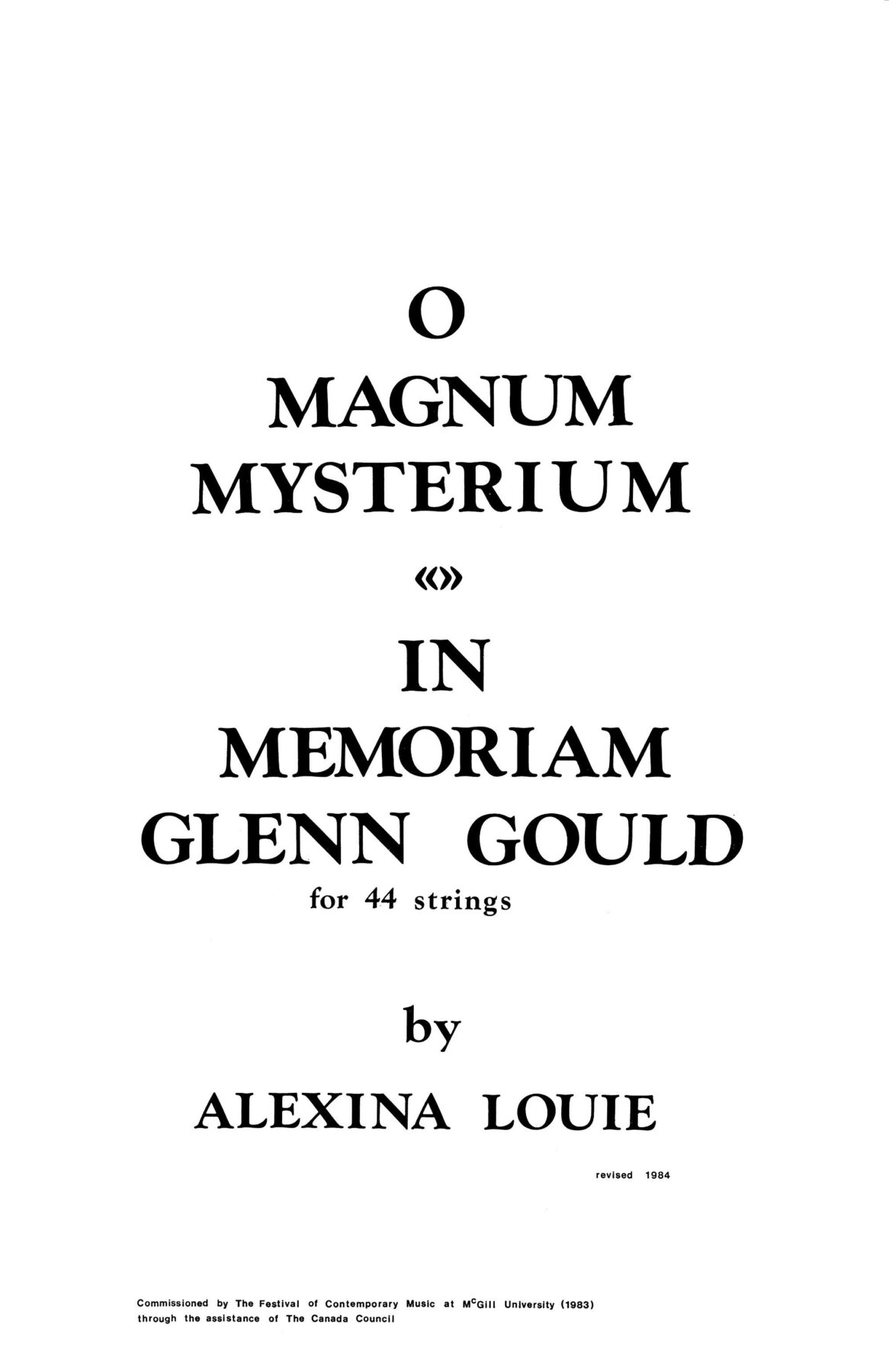
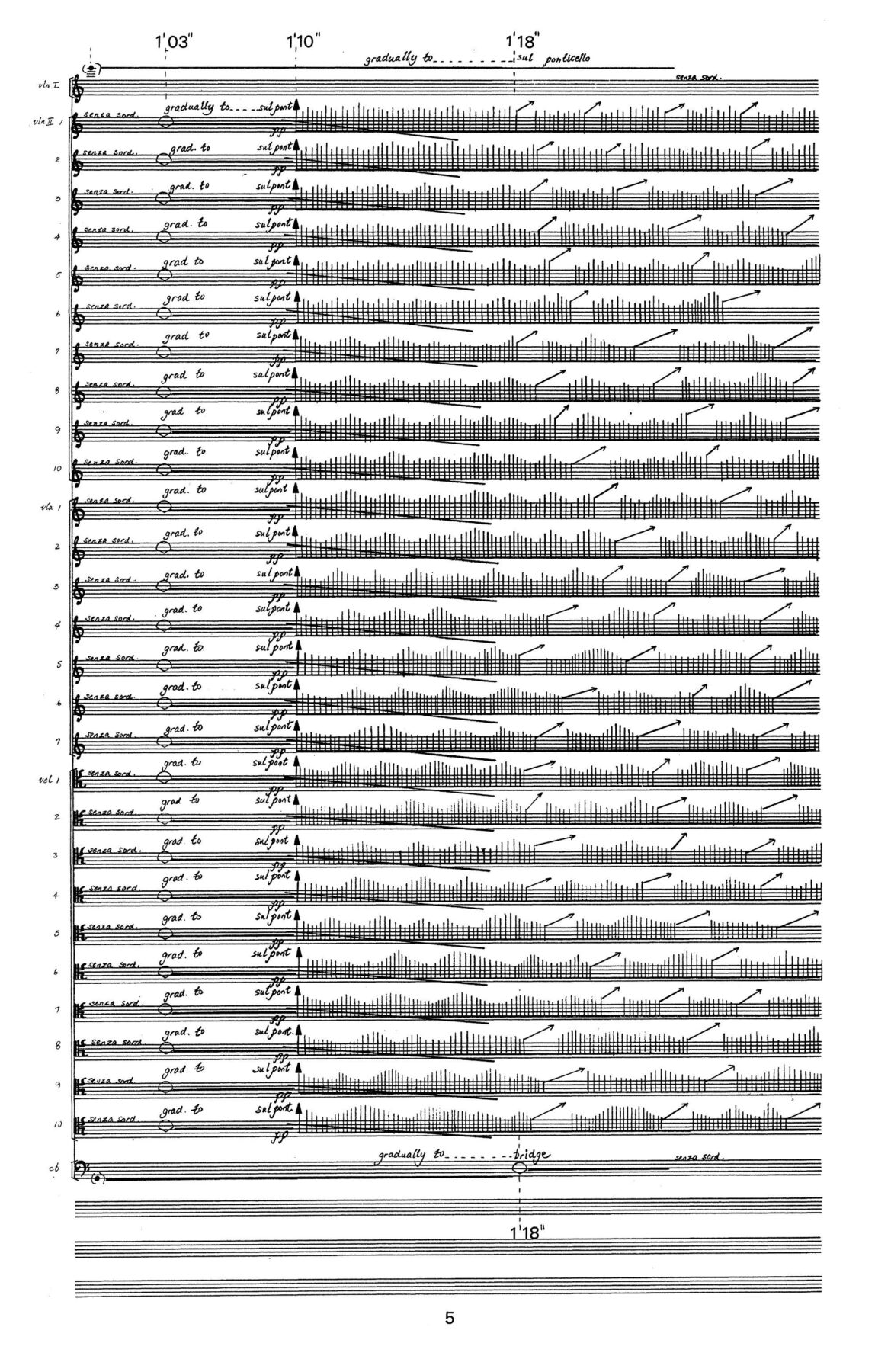
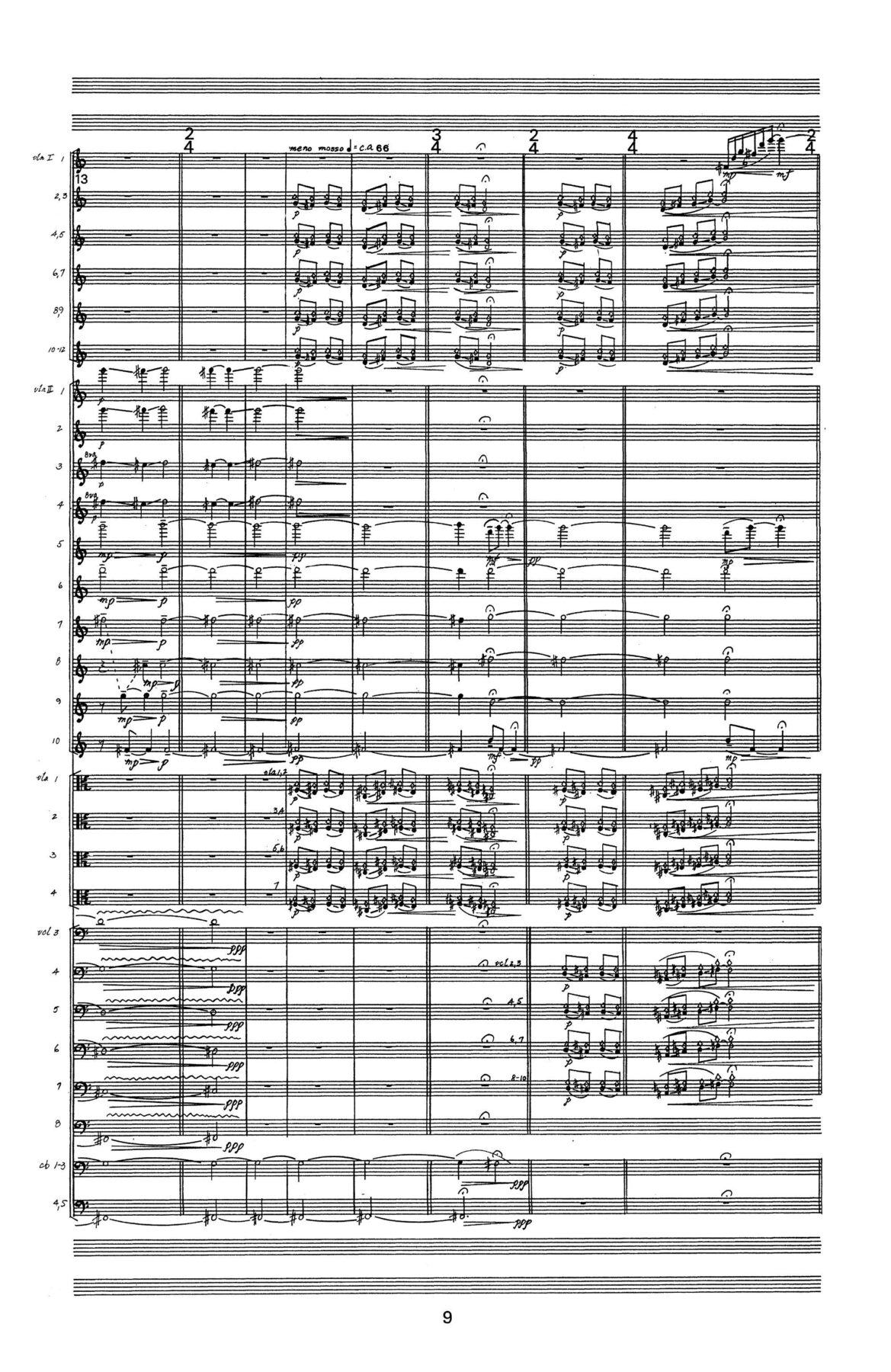
In 1999 the National Ballet of Canada presented Inspired By Gould, an evening of new works choreographed by leading Canadian artists in honour of Glenn Gould. I was stunned by Dominique Dumais’ work, a hundred words for snow, which was set to my O Magnum Mysterium. At first I was sceptical. I wondered how such a personal composition (with no discernible rhythms throughout), could be created as a ballet dedicated to our musical icon. I was worried that the resulting ballet would detract from the powerful emotions and the contrasting deep intimacy of my piece. But I was so moved by Dominique’s spiritual work. It was thrilling – really one of the artistic highlights of my career. I felt that, incredibly, she had captured the allusive, visceral creative process that artists share: Gould, Dumais, and me.
My composition is an unusual piece that shifts between intense outbursts of pain and the altered quotations of great music of the past. What remains after you’ve given so much of yourself in your life as an artist? The effort is so great. Gould had given so much and had died so young. By the time I finished this work, I came to realize that if the expression of your music-making is true, your music will exist long after you are gone. O Magnum Mysterium: In Memoriam Glenn Gould (1983) was a cathartic composition for me. It was as close to being a piece ripped from my guts as I have ever written.
It is my expression of wonder at the mysteries of music, of the universe, and of being an artist, as well as my expression of grief over the premature death of a great musician.
Click here to listen to Alexina Louie’s O Magnum Mysterium, recorded by the Toronto Symphony Orchestra.

Vancouver-born composer Alexina Louie, known for her expressive, personal style, is one of the most frequently performed and most highly acclaimed Canadian composers. An Officer of the Order of Canada, she most recently was awarded the 2019 Molson Prize and the 2020 Governor General’s Performing Arts Award.
Her large catalogue of works spans a wide range of musical genres, including main stage opera (The Scarlet Princess), ground-breaking made-for-TV mini operas (Toothpaste, Burnt Toast) as well as orchestra, ballet, chamber, choir, and solo compositions which are frequently performed and broadcast in Canada and abroad. Louie’s complete catalogue can be viewed at www.alexinalouie.ca