Adventures in Self-Isolation: Glenn Gould Goes to Wawa
May 13, 2020
By Brian Levine
“Solitude nourishes creativity and collegial fraternity tends to dissipate it.”
– Glenn Gould
Solitude, that most elusive state of being in our wireless, media-bombarded world, has finally caught up with us.
As we “shelter in place,” cut off from coffee machine conversations, theatres, watering holes, and mall meandering, we either have the choice of journeying through the limitless inner space bounded only by our respective crania, or to feel penned in like migratory birds in shoebox cages. Perhaps a bit of both.
As a true believer in the cleansing power of solitude and isolation, Glenn Gould found a way to enjoy the best of both worlds. Perhaps his greatest exercise in physical distancing occurred in the 1960s with his discovery of the small Algoma country town of Wawa, Ontario.
Likely it was the opening of the Trans-Canada Highway in 1962 that provided the impetus for Gould’s discovery of Wawa. Throughout his adult life, he was a dedicated, if less than accomplished driver (he once observed that if he was to be penalized for the red lights he’d absent-mindedly run, he deserved at least equal credit for the far greater number that he’d stopped for). So much did he enjoy his solitary excursions along “Queen’s Highway 17,” with only the intermittent signals of occasional small-town AM radio stations for companions, that he was inspired to immortalize the experience (along with his passion for Top 40 pop diva Petula Clark) in his legendary 1967 radio meditation, “The Search for Petula Clark”.
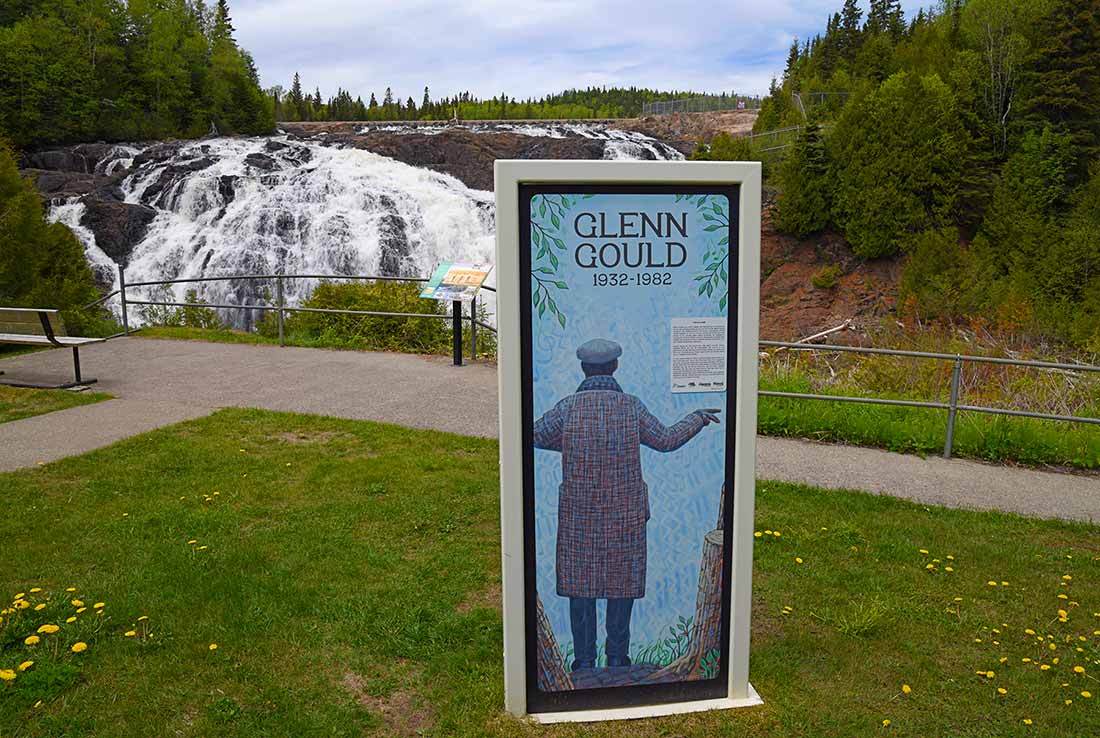
Wawa, today a town of 2,905, situated halfway between an eponymous lake and the mighty Superior, held everything Gould could wish for. He could be anonymous there, enjoy solitary walks in the woods, visit the picturesque Silver and Magpie River High Falls, and most importantly, the “Town of the Big Goose” (it’s famous sculpture is inspired by the name Wawa, Ojibway for “Land of The Big Goose”).
The town’s one major hostelry is the Wawa Motor Inn, and it became a home away from home for Glenn. Reputedly checking in under the name “Orlando Gibbons,” Gould always occupied the same small room (101). What might have felt like solitary confinement to most of us was “the therapy I needed” to Gould, and it inspired him to do “the best writing of my life . . .”
Of his experience at Wawa, Gould said, “there are some extraordinary insights available to people who have put their life in a deep freeze and set it aside and said we will now look at it, see it against what it could have been had we lived elsewhere. I suppose in a sense, that’s what I’d like to do and why I come here.”
It is to Wawa that we owe Gould’s trail blazing documentary, “The Idea of North.” As Kevin Bazzana recounts in his seminal Gould biography, Wondrous Strange:
Even in the late fall of 1967, with all five interviews in the can, Gould was unsure what form his documentary would take; at one point, he envisioned a series of five programs, one for each character, and in a memo dated as late as November 15 [CBC Ideas Executive Producer Janet] Somerville wrote that he was producing “two one-hour dream documentaries” on the North. Eventually he gathered up transcripts of his interviews, sequestered himself for a few weeks in a motel room in Wawa, and returned with a script. He worked frantically through December to have the program finished before the end of the Centennial year; he was still at it the day before the broadcast.
Years later, The Glenn Gould Foundation had the pleasure of working with the great British actor Alan Rickman, who took part in Leonard Cohen’s Glenn Gould Prize gala. Rickman spoke fondly of staying at the Wawa Motor Inn during the filming of the movie “Snowcake,” in which he starred with Sigourney Weaver. He told me that he requested the room that Gould had occupied, and said “I felt a very definite presence in that space – it helped me with my character, who was himself a bit of a loner.”
To this day, the people of Wawa celebrate the solitary visitor who spent so much time with them, nourished by the privacy, lack of big-city pretension and natural beauty that their town affords.
Rather than lament being cut off from our regular lives, interactions and routines, is our social distancing an opportunity in disguise? Like Gould, perhaps this is the moment to explore, create, re-evaluate and weigh the issues of what is most precious, what we truly value, and how we’ll live when the curtain is raised again.
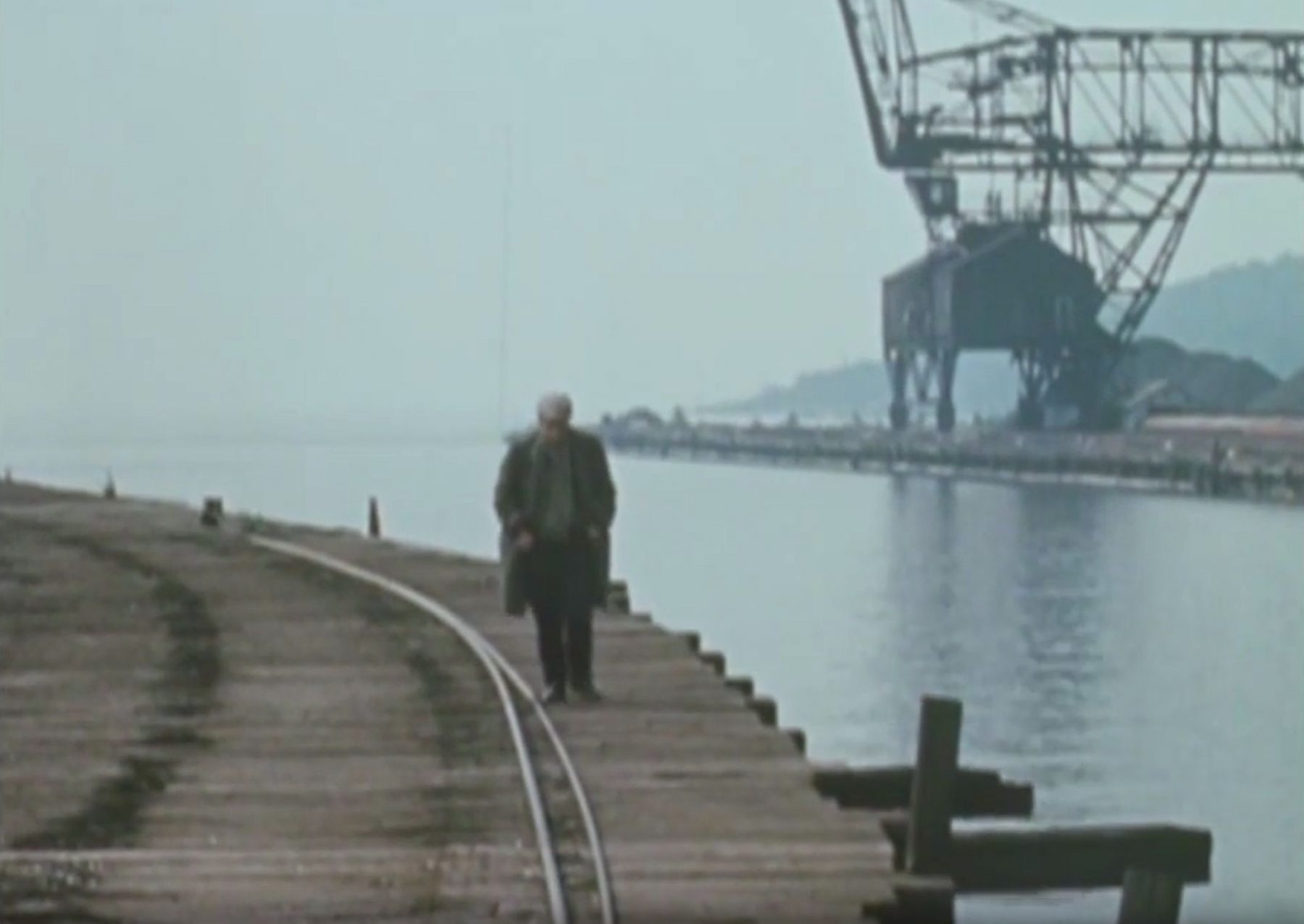
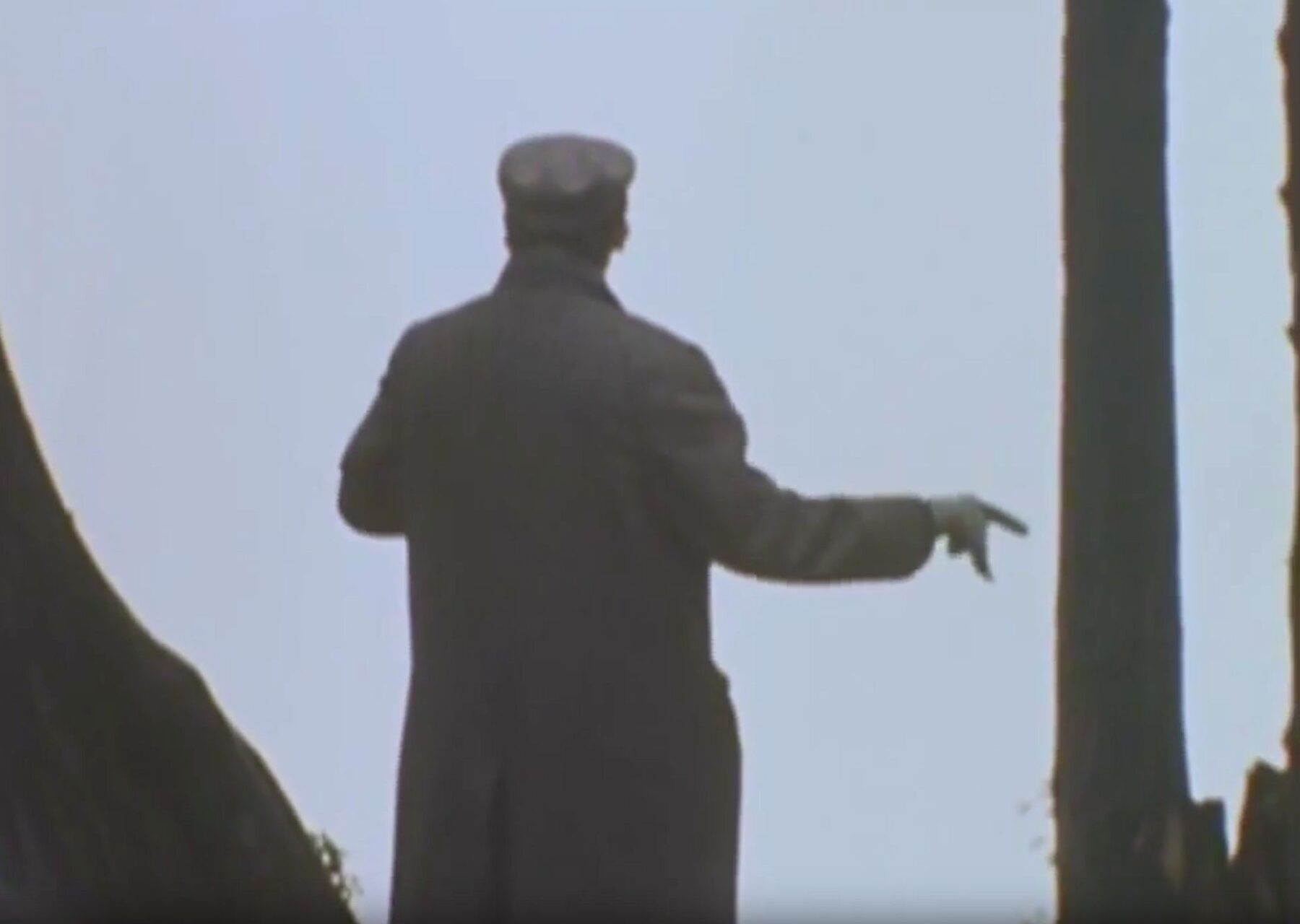
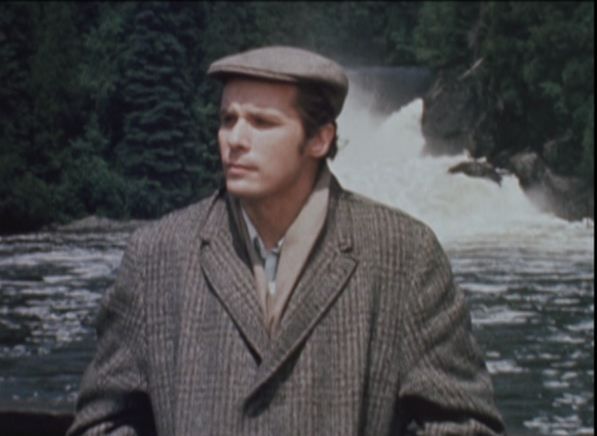
See Glenn Gould on one of his “pastoral” visits to Wawa, ON.